
Wildlife Removal vs. Pest Control: Understanding the Difference
Wildlife removal vs. pest control: understanding the difference helps you choose local service providers who can effectively handle animals or pests invading your property.
Understanding the difference between wildlife removal and pest control is essential for property owners facing unwanted animals or insects on their property. Whether dealing with raccoons in the attic, squirrels in the yard, or insects invading living spaces, knowing which approach is appropriate can help ensure the problem is handled effectively and safely. This knowledge is particularly valuable for property owners in the area who want to make informed decisions about managing wildlife or pest issues, and it can also guide them in choosing the right services for their specific needs.
Local contractors specializing in wildlife removal and pest control offer tailored solutions to address these distinct challenges. Wildlife removal services typically focus on humane exclusion and removal of larger animals, while pest control often targets insects and smaller pests with targeted treatments. Exploring this topic further can help property owners determine when to seek wildlife removal versus pest control, ensuring that the right professionals are engaged for the job. Keep reading to learn more about how these services differ and how local experts can assist in resolving various property concerns.
- Wildlife removal - needed when animals like raccoons or squirrels invade attics or crawl spaces, with local contractors using humane trapping and exclusion methods.
- Pest control - appropriate for insect infestations or common household pests, with service providers applying targeted treatments to eliminate the problem.
- Wildlife removal - required when larger animals threaten property safety or health, with local pros focusing on safe removal and preventing future entry points.
- Pest control - used for controlling pests such as ants, cockroaches, or rodents inside the home, with local service providers implementing ongoing or one-time solutions.
- Wildlife removal - suitable for situations where animals cause structural damage or pose health risks, with local contractors offering specialized removal and damage repair guidance.
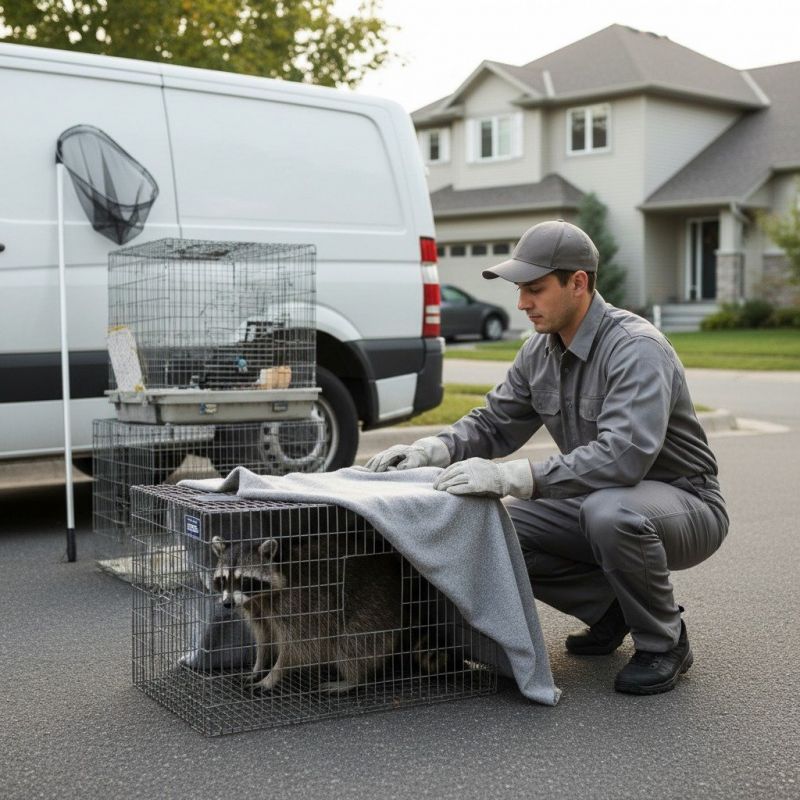
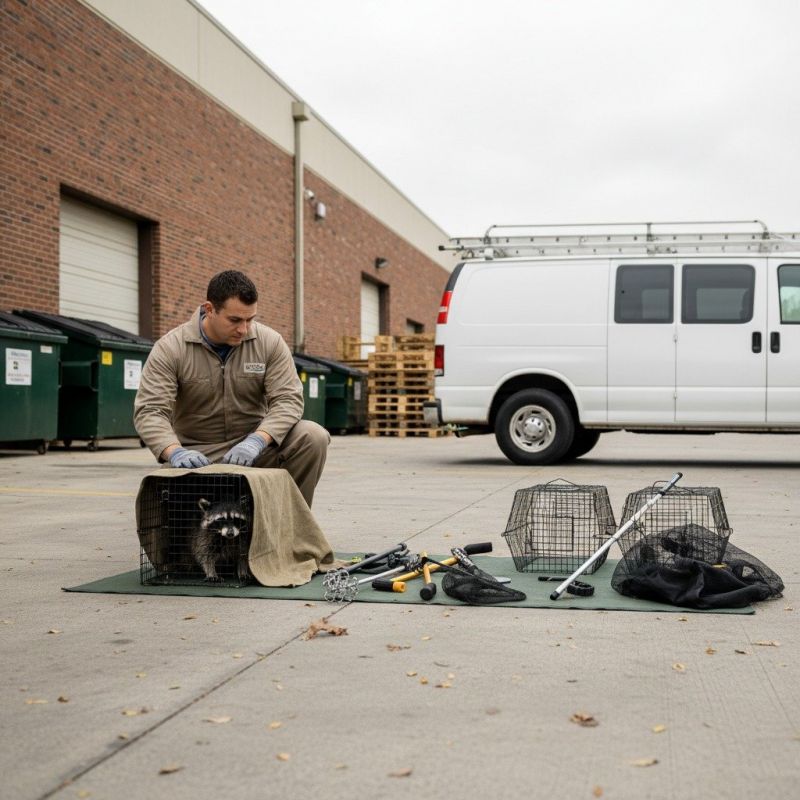
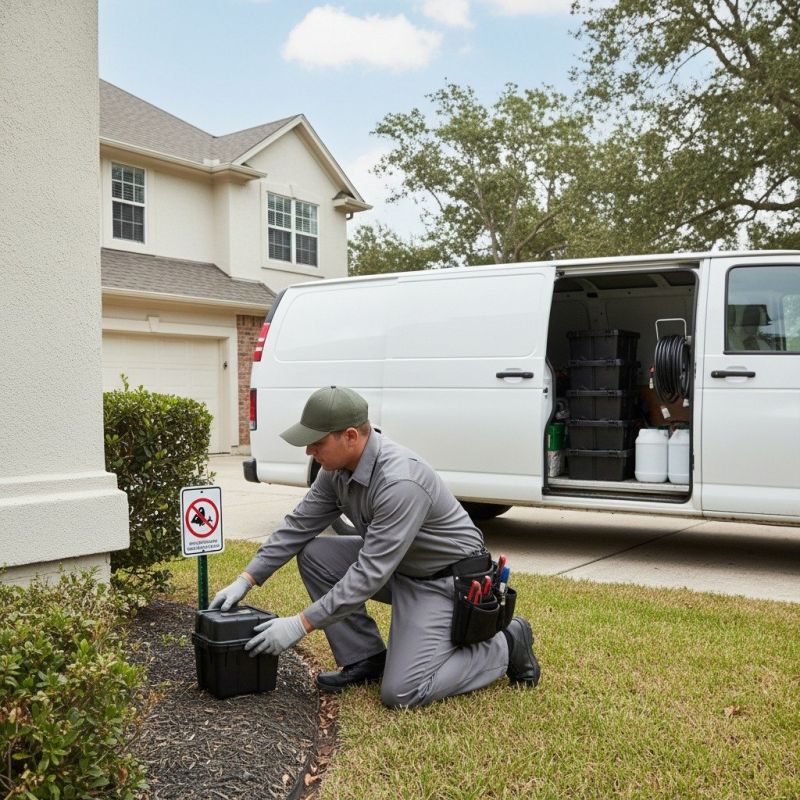
When homeowners search for information about wildlife removal versus pest control, they are often trying to understand which type of service best addresses their specific problem. Typically, this search stems from noticing unusual activity or damage in their property-such as droppings, gnawed wiring, or sounds in the attic-and wanting to know whether the issue involves wild animals or common pests. The goal is to find a solution that effectively resolves the problem while preventing future occurrences. People may also want to understand the scope of work involved, how different approaches are applied, and which professionals are best suited to handle their situation. Clarifying the difference helps homeowners make informed decisions about the right type of service provider to contact for their particular needs.
Wildlife removal versus pest control services relate to different kinds of problems and plans for property management. Wildlife removal generally involves addressing issues caused by larger animals like raccoons, squirrels, bats, or birds that have entered or nested in parts of the home or yard. The focus is on safely removing these animals and sealing entry points to prevent re-entry. Pest control, on the other hand, typically deals with smaller, more numerous pests such as ants, cockroaches, termites, or rodents that infest indoor spaces or structures. The plans for pest control often include targeted treatments or ongoing monitoring to eliminate and manage recurring pest populations. Understanding these distinctions helps homeowners choose the right approach for their situation, whether it’s removing a raccoon from the attic or eradicating an ant colony from the kitchen.
The types of properties that tend to come up in wildlife removal versus pest control can vary widely. Wildlife removal services are often needed for residential homes, especially those with yards, attics, or garages where animals may gain access. These services are also common for farms, barns, or other rural properties where larger animals might cause damage or pose safety concerns. Pest control services are frequently called for in urban or suburban settings, where pests like ants, roaches, or rodents tend to invade indoor spaces. Commercial properties, such as restaurants or warehouses, may also require pest control to meet health and safety standards. Recognizing the property type and its specific needs helps homeowners understand which local service providers are best equipped to handle their wildlife or pest issues effectively.
In many cases, wildlife removal and pest control services are part of a broader effort to maintain a safe and comfortable home environment. Local contractors specializing in these areas are equipped to handle a variety of situations, from removing a raccoon that has taken up residence in the attic to controlling a persistent ant infestation in the kitchen. Homeowners should consider the nature of their problem and the property’s characteristics when seeking help. Wildlife removal pros focus on humane animal extraction and exclusion, while pest control specialists are trained to eliminate smaller pests through targeted treatments. Connecting with the right local service provider ensures that the problem is addressed efficiently and effectively, with solutions tailored to the specific type of wildlife or pests involved.
Wildlife exclusion projects involve sealing entry points and installing barriers, requiring skills similar to those used in wildlife removal and pest control to prevent animal access.
Rodent proofing services focus on identifying and blocking rodent entryways, sharing planning and tool use with pest control specialists addressing similar infestations.
Attic and crawl space inspections are common in both wildlife removal and pest control, helping local contractors assess damage and determine appropriate removal or treatment methods.
Habitat modification projects involve altering outdoor environments to reduce attractants for pests and wildlife, aligning with planning strategies used in both fields.
Animal trapping and relocation services require trap placement and humane handling skills, paralleling techniques used in wildlife removal and pest management efforts.
Damage repair and prevention work includes fixing entry points and structural damage caused by animals, utilizing similar planning and repair skills across both service types.
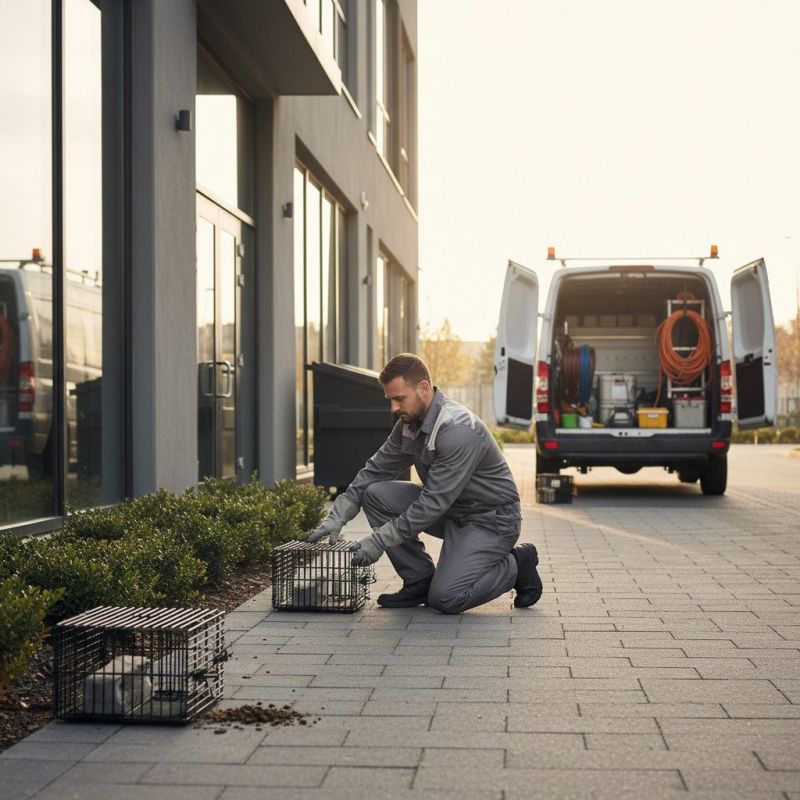
When evaluating wildlife removal versus pest control services, it’s important to consider the experience that local contractors have with similar projects. Wildlife removal often involves handling larger animals such as raccoons, squirrels, or bats, which may require specialized techniques and equipment. Pest control typically focuses on insects and smaller pests. Ensuring that prospective service providers have a track record of successfully managing the specific type of wildlife or pests involved can help prevent issues down the line. It’s beneficial to inquire about their past projects, how they approached challenges, and whether they have experience with the particular animals or pests present in the home.
Clear written expectations are essential when comparing local service providers for wildlife removal or pest control. This includes understanding what services are included, the scope of work, and any follow-up procedures. A reputable contractor should be able to provide detailed descriptions of their methods, what homeowners can expect during the process, and any post-service recommendations. Having this information in writing helps ensure that there are no misunderstandings and that the homeowner’s needs are addressed appropriately, whether it involves humane animal removal or pest eradication.
Good communication and reputable references are key factors to consider when selecting local contractors. Service providers who are transparent about their processes and willing to share references demonstrate professionalism and confidence in their work. Speaking with previous clients or reading reviews can provide insights into their reliability, responsiveness, and overall quality of service. Effective communication ensures that homeowners can ask questions, express concerns, and receive timely updates throughout the project. Choosing a contractor with a solid reputation and clear communication practices can contribute to a smoother experience when dealing with wildlife removal or pest control needs.
Property owners often search for wildlife removal vs. pest control: understanding the difference when they are planning practical projects around their homes and businesses. Local pros provide Wildlife Removal or Pest Control services for everyday jobs and straightforward project options.
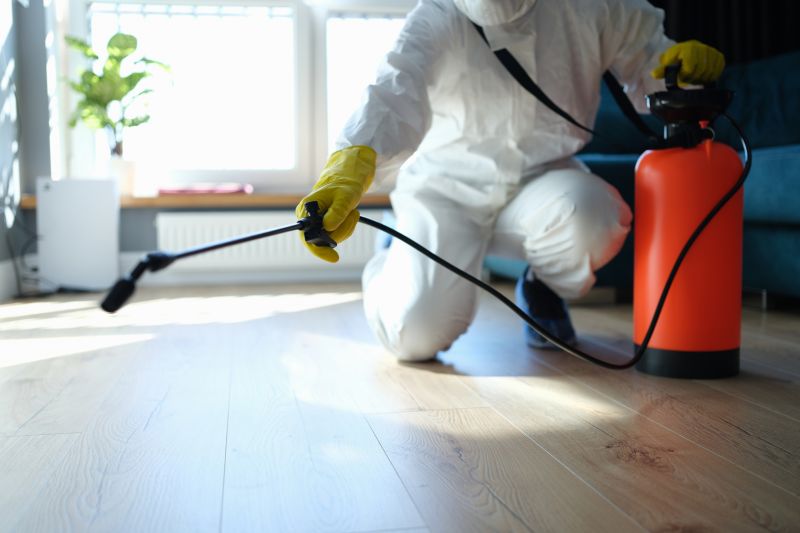
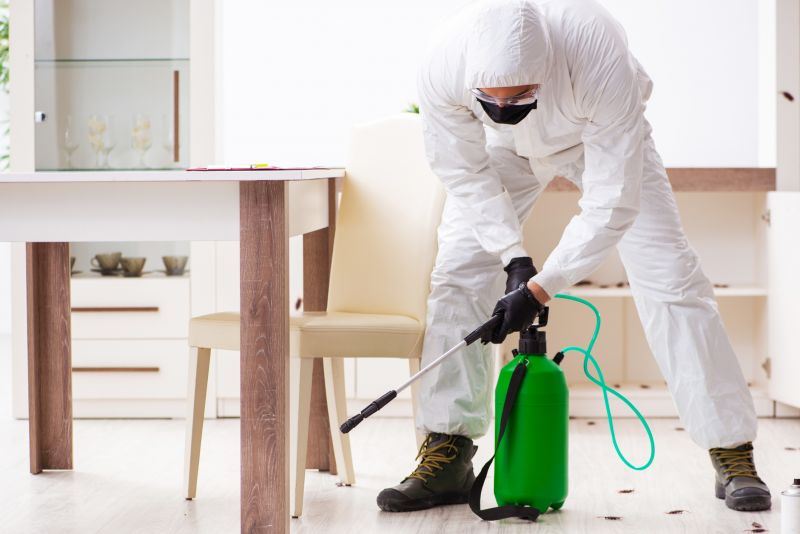
Understanding the difference between wildlife removal and pest control is essential for property owners dealing with unwanted animals or insects. Wildlife removal services typically focus on humane methods to handle larger animals such as raccoons, squirrels, or bats that may have entered attics, crawl spaces, or yards. These projects often involve identifying entry points, safely removing the animals, and preventing future invasions. Local contractors specializing in wildlife removal can assess the situation and recommend appropriate solutions to ensure animals are handled responsibly and property damage is minimized.
In contrast, pest control services generally target smaller pests like ants, cockroaches, termites, or rodents that infest indoor spaces or outdoor areas. These services often involve treatments designed to eliminate active infestations and reduce the chances of recurrence. Property owners searching for guidance on wildlife removal vs. pest control might turn to local service providers to determine which approach best suits their specific situation. Whether dealing with a wildlife intrusion or a pest problem, local contractors can provide tailored solutions to address the issue effectively.
What is the main difference between wildlife removal and pest control? Wildlife removal typically focuses on safely removing larger animals like raccoons, squirrels, or bats from properties, while pest control targets smaller pests such as insects and rodents. Local contractors often specialize in one or both services depending on the type of animal or pest involved.
When should I consider wildlife removal instead of pest control? Wildlife removal is appropriate when larger animals have entered your property or building, especially if they pose safety or health concerns. Pest control is more suitable for managing infestations of insects or small rodents that are causing damage or discomfort.
Are wildlife removal and pest control services performed differently? Yes, wildlife removal usually involves humane trapping and exclusion methods to prevent animals from re-entering, whereas pest control often uses targeted treatments like baits or sprays to eliminate pests. Local service providers tailor their approach based on the type of animal or pest involved.
Can a service provider handle both wildlife removal and pest control? Some local contractors offer both services, but many specialize in one area. It’s advisable to choose a provider with experience in the specific type of wildlife or pest issue to ensure effective and appropriate treatment.
Why is it important to choose the right service for wildlife removal vs. pest control? Selecting the appropriate service ensures that the problem is addressed safely and effectively, reducing the risk of property damage, health issues, or animals returning. Local pros can assess the situation and recommend the best solution for each case.
Identify wildlife entry points - Property owners can inspect their buildings for holes or gaps that allow animals like raccoons or squirrels to enter, and then seek wildlife removal services to seal these openings.
Determine pest infestation signs - Recognizing signs such as droppings, nests, or chewed materials can help identify pest problems that require pest control treatments from local contractors.
Choose appropriate removal methods - Understanding the difference helps property owners select services that use humane wildlife removal techniques versus chemical pest control options.
Implement prevention strategies - After removal or treatment, applying exclusion methods or sanitation practices can prevent future wildlife or pest issues, with guidance from local service providers.
If you are thinking about wildlife removal vs. pest control: understanding the difference for a property, this guide is meant to help you understand this topic, the typical project types, and how different options might fit your plans.
When you are ready, you can use the quote form on this page to share a few details about your project. From there, local pros can review the basics and follow up with options that match what you have in mind.