
Signs Your Commercial Property Needs Flea And Tick Treatment
Noticing signs your commercial property has fleas or ticks can mean it’s time for professional treatment, and local contractors can effectively handle the job.
Property owners managing commercial spaces often face the challenge of keeping their premises free from pests that can affect operations and tenant satisfaction. Recognizing the signs that your commercial property may need flea and tick treatment is essential for maintaining a safe and comfortable environment. Common indicators include an increase in flea or tick activity around the property, visible pests on outdoor furniture, or signs of bites on employees or visitors. Being aware of these warning signs can help property owners take timely action, and local service providers specializing in flea and tick treatment are equipped to address these concerns effectively.
Exploring the signs that your commercial property needs flea and tick treatment is especially relevant for those whose outdoor spaces are frequented by animals or where pests tend to gather. Neglecting these signs can lead to larger infestations, impacting the health and well-being of everyone on the property. Connecting with experienced local contractors who offer flea and tick treatment services ensures that pest issues are handled safely and efficiently. Keeping an eye out for these early warning signs can make a significant difference in protecting the property and its occupants.
- When signs of flea and tick activity appear on a commercial property, local contractors can assess the area and recommend appropriate treatment options. - If pet or wildlife intrusion is observed, service providers can implement targeted flea and tick control solutions to prevent infestations. - In cases of persistent itching or biting pests reported by staff or visitors, local pros can identify and treat the affected areas effectively. - When a property experiences increased pest sightings during certain seasons, local contractors can provide preventative flea and tick treatments to reduce future risks. - If previous pest control efforts fail to eliminate fleas and ticks, service providers can evaluate the environment and apply comprehensive treatment plans.
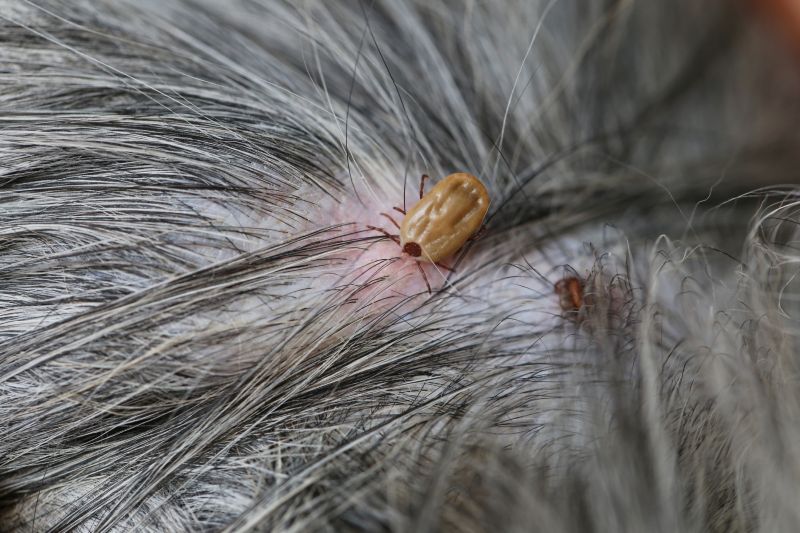

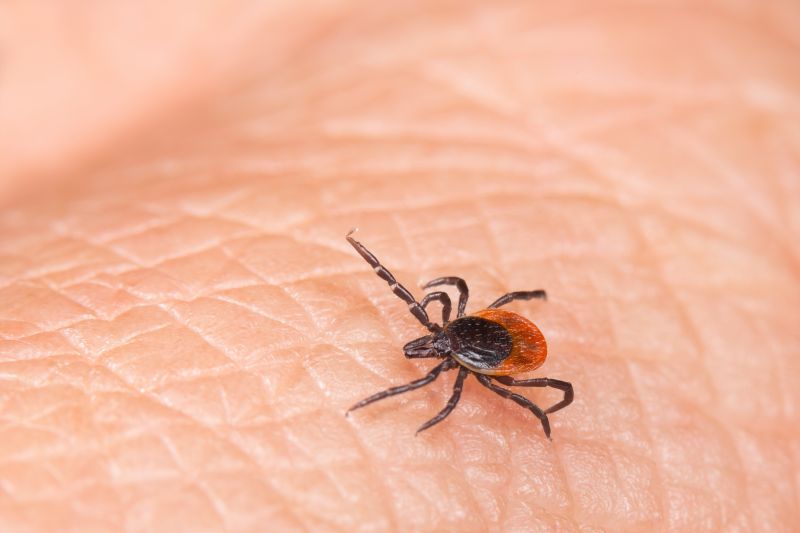
Understanding the signs that indicate a commercial property needs flea and tick treatment is essential for maintaining a safe and comfortable environment for employees, clients, and visitors. When searching for this topic, property owners often want to identify visible or behavioral clues that pests are present or beginning to infest. Common indicators include an increase in flea or tick activity around the premises, such as fleas being seen on pets or employees noticing bites or itching. Additionally, property managers might observe a rise in the presence of flea dirt or small ticks in areas with high foot traffic or outdoor spaces. Recognizing these signs early can help prevent larger infestations that could disrupt daily operations or lead to health concerns.
Flea and tick problems are frequently linked to properties that have outdoor spaces, such as courtyards, gardens, or landscaping features, where pests can thrive and easily migrate indoors. Commercial properties like office parks, retail centers, warehouses, and hospitality venues often encounter these issues, especially if they are adjacent to wooded or grassy areas. These pests tend to latch onto animals, but they can also infest indoor environments if left unchecked. Business owners and property managers may plan pest control treatments proactively or reactively when signs of an infestation become apparent. Regular inspections and prompt treatment by local service providers help keep these pests at bay and protect the property’s overall safety and hygiene.
In many cases, the need for flea and tick treatment becomes evident when there are recurring pest sightings or bites reported by staff or visitors. For properties with outdoor seating areas, playgrounds, or pet-friendly zones, the risk of pests is higher, making ongoing monitoring crucial. Signs of an emerging problem might include small blood spots or flea dirt on furniture, bedding, or carpets, as well as visible ticks attached to animals or even humans. Commercial properties that host animals or have frequent outdoor activity are especially vulnerable. Recognizing these warning signs early allows property owners to work with local contractors who specialize in pest control, ensuring targeted treatments that address the specific conditions of the property.
The types of properties that most often encounter fleas and ticks include those with landscaped outdoor areas, pet accommodations, or high-traffic zones where pests can easily hide and reproduce. Retail centers with outdoor dining, hotels and resorts with outdoor amenities, and office complexes with nearby green spaces are common examples. These properties benefit from proactive pest management strategies, especially during warmer months when fleas and ticks are more active. Engaging local service providers who understand the unique needs of commercial environments ensures that treatments are effective, minimizing disruption while maintaining a pest-free space. Properly addressing signs of fleas and ticks helps protect the health of everyone on the property and preserves its professional appearance.
Commercial pest control projects involve identifying and treating infestations, similar to recognizing signs your commercial property needs flea and tick treatment, and require planning and application skills.
Outdoor landscaping and yard maintenance tasks often address pest habitats and breeding grounds, aligning with treatments for flea and tick prevention on commercial properties.
Building exterior inspections focus on identifying pest entry points and infestations, which are essential steps when signs indicate the need for flea and tick treatment.
Rodent control services involve detecting and managing pest populations, paralleling the work done to control fleas and ticks on commercial sites.
Insect and pest habitat removal projects include clearing debris and hiding spots that attract fleas and ticks, making them relevant to flea and tick treatment efforts.
Landscape pest management involves treating outdoor areas to reduce pest populations, similar to addressing signs that suggest flea and tick issues on commercial properties.
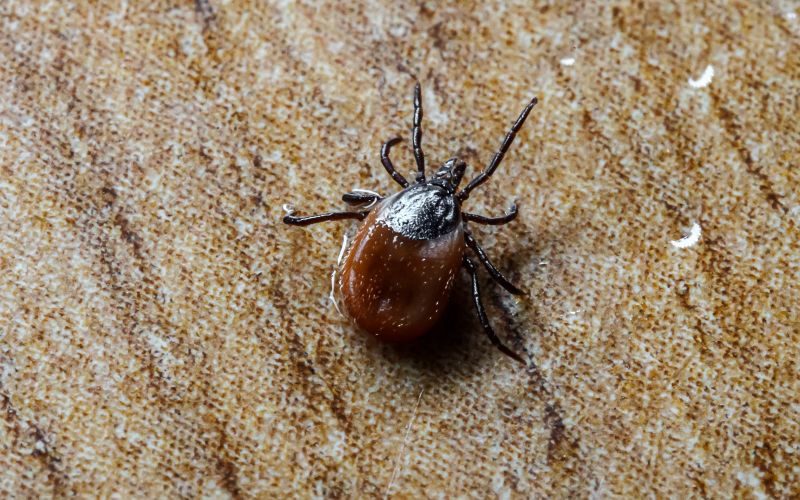
When evaluating service providers for flea and tick treatment on a commercial property, it is important to consider their experience with similar projects. An experienced contractor will be familiar with the specific challenges and requirements of treating commercial spaces, ensuring that the treatment methods used are effective and appropriate for the property’s size and type. Asking about their past work with similar properties can provide insight into their expertise and help determine if they are well-versed in handling the unique aspects of flea and tick control in a commercial setting.
Clear, written expectations are essential when comparing local contractors for flea and tick treatment services. A reputable service provider should be able to outline the scope of work, the methods they plan to use, and any necessary preparations or follow-up steps. Having this information in writing helps ensure there is mutual understanding and reduces the risk of misunderstandings or unmet expectations. It also provides a reference point for evaluating the thoroughness and professionalism of each contractor’s approach.
Reputable references and good communication are key indicators of a reliable service provider. Potential contractors should be willing to share references from previous clients, especially those with similar commercial properties. This feedback can offer valuable insights into their reliability, quality of work, and customer service. Additionally, effective communication-such as responsiveness, clarity in explanations, and willingness to answer questions-demonstrates a contractor’s commitment to transparency and client satisfaction. These qualities help ensure that the process of addressing signs your commercial property needs flea and tick treatment proceeds smoothly and successfully.
Property owners often search for signs your commercial property needs flea and tick treatment when they are planning practical projects around their homes and businesses. Local pros provide Flea And Tick Treatment services for everyday jobs and straightforward project options.
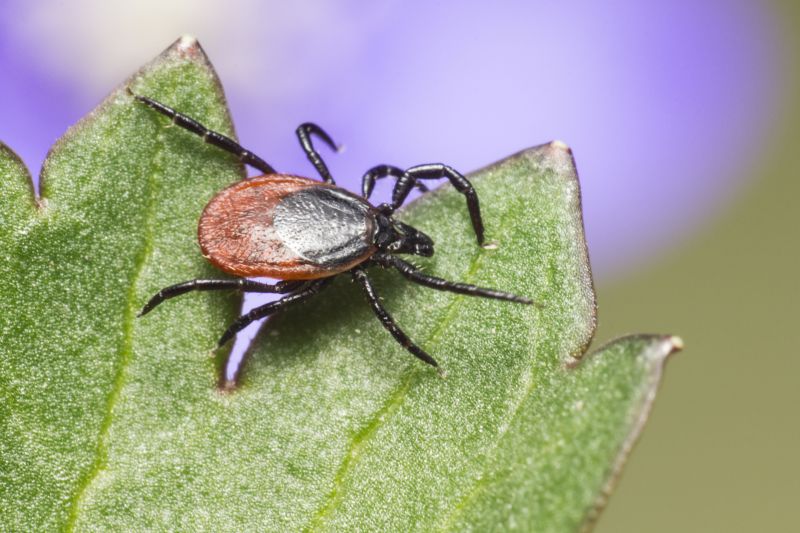
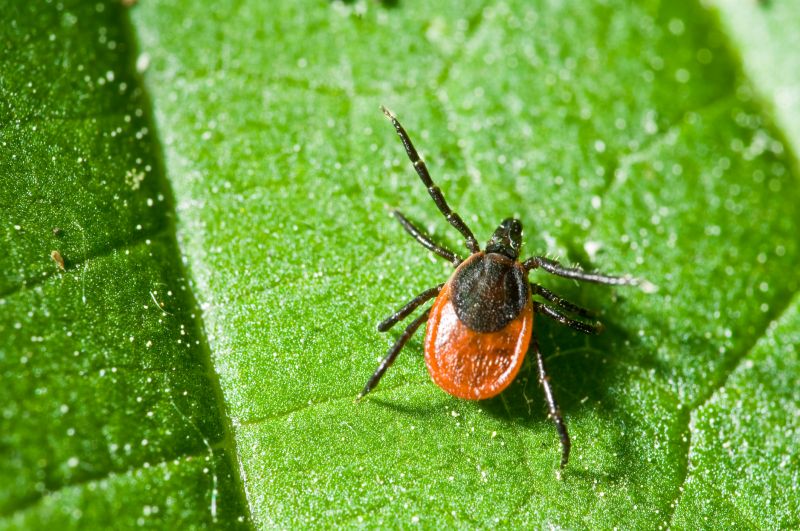
Property owners in the area might notice an increase in flea and tick activity around their commercial spaces, especially during warmer months or after outdoor events. Signs such as an uptick in pest sightings near entryways, on outdoor furniture, or in landscaped areas can indicate a potential problem. Additionally, if employees or visitors start reporting itchy bites or if small pests are found crawling on pets or employees’ clothing, it could be a sign that fleas and ticks have established themselves on the property. Recognizing these indicators early can help property managers determine when professional flea and tick treatment services are needed to maintain a pest-free environment.
Other common signs include the presence of flea dirt-small black specks that resemble dirt or pepper-on carpets, upholstery, or pet bedding. Ticks may be found attached to outdoor plants, shrubs, or in shaded, grassy areas where they hide. If these pests are detected, it’s advisable to seek assistance from local contractors experienced in pest control treatments. They can assess the situation and implement effective solutions to eliminate fleas and ticks, helping to protect both the property’s occupants and its outdoor spaces from ongoing infestations.
What are common signs indicating my commercial property might need flea and tick treatment? Visible fleas or ticks on animals or in the environment, frequent pet scratching, and unexplained bites are signs that may signal the need for professional flea and tick treatment services.
How can I tell if fleas or ticks are present in my commercial property? You might notice small insects crawling in carpets, upholstery, or outdoor areas, along with signs of pet discomfort or unusual animal behavior, which can suggest fleas or ticks are present.
Are there specific areas on a commercial property where fleas and ticks tend to gather? Fleas and ticks often thrive in shaded, moist areas such as grassy patches, landscaped borders, pet resting zones, and around cracks or crevices in outdoor spaces.
What symptoms in animals or clients should prompt me to seek flea and tick treatment services? Excessive scratching, biting, or hair loss in pets, along with bites or irritation on people, can indicate a flea or tick problem requiring professional treatment.
When should I consider scheduling flea and tick treatment for my commercial property? If signs of infestation are observed or if pets and visitors show signs of bites or discomfort, contacting local service providers for treatment can help address the issue promptly.
Unusual animal activity - noticing frequent or unexpected animal presence around the property can indicate flea and tick infestations that need treatment by local contractors.
Flea and tick bites on employees or visitors - reports of bites or itching may suggest a hidden problem requiring professional treatment to ensure safety.
Presence of flea dirt or ticks in common areas - discovering small black specks or actual ticks in high-traffic zones signals the need for a treatment plan from local service providers.
Signs of fleas or ticks in outdoor landscaping - clusters of fleas or ticks around shrubs, grass, or mulch suggest a professional treatment is necessary to control the pests effectively.
If you are thinking about signs your commercial property needs flea and tick treatment for a property, this guide is meant to help you understand this topic, the typical project types, and how different options might fit your plans.
When you are ready, you can use the quote form on this page to share a few details about your project. From there, local pros can review the basics and follow up with options that match what you have in mind.